
What Is Exosome Therapy for Hair Loss? California Aesthetics Explains the Science

You've noticed more hair in the shower drain. Your hairline seems higher than it used to be. Maybe you've tried medications, special shampoos, or even PRP injections—but the results haven't matched your hopes. If you're researching exosome therapy for hair loss, you're discovering what many consider the most promising advancement in hair restoration science. At California Aesthetics, we've watched this treatment transform how people approach hair regrowth. Here's everything you need to know about the science behind exosomes and why they're changing the conversation around hair loss.
Understanding Exosomes: The Cellular Messengers
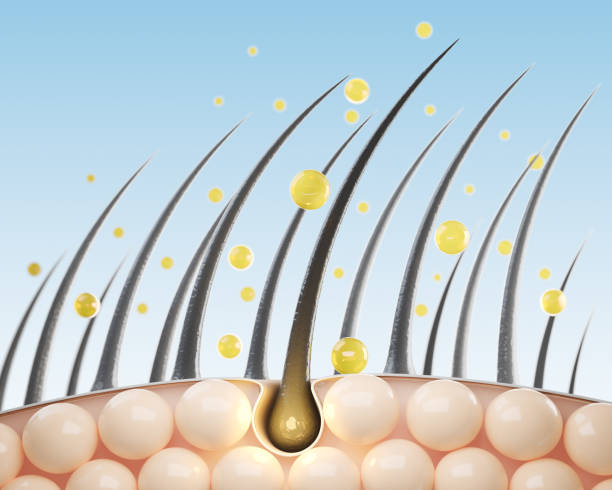
Think of exosomes as tiny delivery trucks carrying critical instructions between your cells. These microscopic vesicles—about 1/1000th the width of a human hair—are naturally produced by nearly every cell in your body. Their job? Transporting proteins, growth factors, and genetic material that tell other cells what to do.

In hair restoration, exosomes carry specific signals that activate dormant hair follicles, reduce inflammation, and create the ideal environment for new growth. Unlike treatments that simply maintain what you have, exosomes actually restart your hair's natural growth cycle at the cellular level.
Where Do Therapeutic Exosomes Come From?
The exosomes used in medical treatments come from carefully screened mesenchymal stem cells—typically derived from umbilical cord tissue or bone marrow. These aren't your own cells being extracted and reinjected. Instead, they're laboratory-cultured, standardized preparations that contain concentrated growth factors in consistent doses.
California Aesthetics uses only pharmaceutical-grade exosomes from FDA-compliant sources. This ensures every treatment delivers the same potency and safety profile, eliminating the variability that plagues other regenerative therapies.
How Exosome Therapy Targets Hair Loss
Hair loss isn't just about follicles falling out—it's about follicles entering a prolonged resting phase and eventually shrinking. This process, called miniaturization, happens when inflammation, poor circulation, or hormonal changes disrupt the hair growth cycle.
Exosome therapy for hair loss interrupts this decline through multiple mechanisms working simultaneously.
Cellular Communication That Stimulates Growth
When injected into your scalp, exosomes deliver over 200 different growth factors directly to hair follicles. These include VEGF (which improves blood flow), FGF (which extends the growth phase), and TGF-β3 (which reduces damaging inflammation).
The result? Dormant follicles receive the biological signal to wake up and start producing hair again. Clinical studies show this approach can reactivate follicles that have been inactive for years—something medications like minoxidil rarely achieve.
Anti-Inflammatory Action
Chronic scalp inflammation is a hidden driver of hair loss in conditions like androgenetic alopecia (pattern baldness) and telogen effluvium. Exosomes modulate your immune response, calming inflammation without suppressing your body's natural defenses.
This creates a healthier follicle environment where hair can grow thicker, stronger, and for longer periods before entering the resting phase.
Enhanced Blood Supply
Hair follicles need robust blood flow to receive nutrients and oxygen. Exosomes stimulate angiogenesis—the formation of new blood vessels—around follicles. Better circulation means healthier, faster-growing hair that's more resistant to future loss.
Exosome Therapy vs. Traditional Hair Loss Treatments
You've probably tried or considered other hair restoration options. Here's how exosomes compare to what's currently available.
More Potent Than PRP
Platelet-Rich Plasma (PRP) therapy was a breakthrough when it arrived. By concentrating growth factors from your own blood, PRP could stimulate modest hair regrowth. But it has limitations.
PRP contains roughly 10-20 growth factors, and its effectiveness varies based on your age, health, and platelet quality. Exosome therapy for hair loss delivers 10-20 times more growth factors in every treatment—and they're standardized for consistency.
Research comparing the two found that patients receiving exosomes showed 29% greater hair density improvement after three months compared to PRP recipients. The difference becomes even more pronounced over six to twelve months.
Faster Results Than Medications
Minoxidil and finasteride can slow hair loss, but they take 6-12 months to show visible improvement—if they work at all. Plus, you need to use them indefinitely. Stop, and your progress reverses.
Most California Aesthetics clients notice changes within 8-12 weeks of their first exosome treatment. New hair growth becomes visible by month three, with continued improvement through month six. And because exosomes work by resetting your follicles' biological function, results tend to last far longer than medication-dependent approaches.
No Surgery Required
Hair transplant surgery relocates existing follicles from one area to another. It's effective but invasive, expensive ($4,000-$15,000), and requires weeks of recovery. You also need sufficient "donor hair" to qualify.
Exosome therapy involves no incisions, no anesthesia, and no downtime. Treatments take less than an hour, and you can return to normal activities immediately. For people with diffuse thinning or insufficient donor areas, it offers a viable alternative when transplants aren't an option.
What to Expect During Exosome Treatment
Understanding the process helps you know what you're signing up for. At California Aesthetics, we've refined our protocol to maximize results while minimizing discomfort.
The Initial Consultation
Your journey starts with a detailed assessment. We examine your hair loss pattern, discuss your medical history, and evaluate whether exosome therapy is your best option. Not everyone is an ideal candidate—for instance, people with active scalp infections or certain autoimmune conditions may need alternative approaches.
If exosomes are right for you, we'll create a personalized treatment plan. Most clients need 3-4 sessions spaced 4-6 weeks apart for optimal results.
The Treatment Session
On treatment day, we begin by applying a topical numbing cream to your scalp. This ensures you feel minimal discomfort during the procedure.
Once numb, we use either microneedling or direct injection to deliver exosomes precisely where they're needed—typically in thinning areas and along the hairline. The entire process takes 30-45 minutes.
Most clients describe the sensation as mild pressure or slight tingling. There's no significant pain, and the topical anesthetic makes the experience quite tolerable.
Recovery and Results Timeline
There's no recovery period. You might notice slight redness or tenderness for a day or two, but you can wash your hair, exercise, and go about your normal routine immediately.
Here's the typical results timeline:
Weeks 1-4: No visible changes yet (cells are responding at the molecular level)
Weeks 4-8: Many clients report their hair feeling thicker and healthier
Weeks 8-12: New hair growth becomes visible, particularly in thinning areas
Months 3-6: Continued improvement in density, thickness, and overall coverage
Month 6+: Full results emerge, with many clients choosing occasional maintenance treatments
Who Benefits Most From Exosome Therapy?
Exosome therapy for hair loss works for a wide range of conditions and demographics. Here's who sees the best results:
Pattern Hair Loss (Androgenetic Alopecia): Both men and women with genetic hair loss respond extremely well. Exosomes can reactivate miniaturized follicles and slow or stop further progression.
Early to Moderate Hair Loss: The earlier you start treatment, the better your results. Follicles that have been dormant for less than five years have higher reactivation rates.
Post-Pregnancy Hair Loss: Hormonal shifts after childbirth can trigger significant shedding. Exosomes help reset the growth cycle more quickly than waiting for hormones to naturally rebalance.
Stress-Related Thinning: Telogen effluvium—temporary hair loss from stress, illness, or nutritional deficiencies—responds well because follicles haven't permanently miniaturized.
People Who Can't Use Medications: If you experience side effects from finasteride or minoxidil, or if you're pregnant or nursing, exosome therapy offers a safe alternative.
The Science Supporting Exosome Therapy
Clinical research on exosomes continues to expand. A peer-reviewed study published in the Journal of Clinical Medicine found that patients receiving exosome injections showed significantly improved hair density, thickness, and growth rate compared to control groups.
Another trial tracking 60 patients over 12 months reported that 89% of participants were satisfied or highly satisfied with their results. The same study noted improvements in hair shaft diameter—meaning not just more hair, but thicker, healthier hair.
These aren't anecdotal claims. They're reproducible, measurable outcomes documented in clinical settings. When California Aesthetics combines this level of scientific backing with personalized treatment protocols, the results consistently exceed expectations.
Safety and Side Effects
One of exosome therapy's strongest advantages is its excellent safety profile. Because the exosomes we use come from carefully screened, laboratory-cultured sources, the risk of disease transmission or immune rejection is essentially zero.
Side effects are minimal and temporary:
Mild scalp tenderness (1-2 days)
Slight redness at injection sites (24-48 hours)
Rare cases of temporary increased shedding as new growth begins
Serious complications are extraordinarily rare when performed by trained medical professionals using high-quality exosome products—standards California Aesthetics strictly maintains.
Cost Considerations and Value
Exosome therapy for hair loss typically costs $750-$1,500 per session. With a standard protocol of 3-4 treatments, you're looking at $2,250-$6,000 total.
Compare that to:
Hair transplants: $10,000+ with potential revision surgeries
Annual PRP maintenance: $3,000-$8,000 indefinitely
Lifelong medication use: $600-$2,400 annually, with side effects many find unacceptable
When you factor in exosomes' superior effectiveness, faster results, and longer-lasting outcomes, the value proposition becomes clear. Many clients find that 1-2 maintenance sessions per year keep their progress strong indefinitely—far more sustainable than other approaches.
Why California Aesthetics for Exosome Therapy
Technology alone doesn't guarantee results. The quality of your exosome product, the expertise of your provider, and the personalization of your treatment protocol all matter enormously.
California Aesthetics distinguishes itself through:
Pharmaceutical-Grade Exosomes: We source only from FDA-compliant, third-party-tested laboratories with rigorous quality control.
Medical Expertise: Our licensed professionals specialize in regenerative medicine and stay current with the latest research and techniques.
Personalized Protocols: We adjust treatment intensity, timing, and complementary therapies based on how your body responds—not one-size-fits-all approaches.
Transparent Communication: We set realistic expectations, explain exactly what to expect, and provide ongoing support throughout your journey.
Your Next Steps
If you're tired of temporary solutions and ready to address hair loss at its biological root, exosome therapy for hair loss represents the most advanced option available today.
Key Takeaways:
Exosomes deliver 200+ growth factors that reactivate dormant follicles
Results appear 2-3 times faster than medications
10-20x more potent than PRP therapy
No surgery, no downtime, minimal discomfort
Suitable for most types of hair loss in men and women
Ready to discover what regenerative science can do for your hair? Schedule a free consultation at California Aesthetics and let's create your personalized roadmap to natural, lasting hair restoration.
The science is proven. The results are real. Your transformation starts with understanding what's possible.


Comments