
Hair Restoration Reimagined at California Aesthetics
Hair loss can feel frustrating, confusing, and deeply personal. You try shampoos, supplements, and topical treatments, yet the mirror tells a different story. If you’re searching for a solution that works beneath the surface, you’re not alone.
Hair Restoration Reimagined at California Aesthetics represents a shift from temporary fixes to regenerative science. Instead of masking thinning hair, this approach focuses on stimulating follicles at the cellular level. In this article, you’ll discover how exosome therapy works, who it’s best for, what results you can expect, and why regenerative treatments are changing the future of non-surgical hair restoration.
Why Traditional Hair Loss Treatments Fall Short
For decades, most hair loss solutions focused on slowing the problem rather than reversing it.
The Limits of Surface-Level Solutions
Topical treatments and medications can help maintain existing hair. However, they often require daily use and long-term commitment. Once stopped, progress usually fades.
Hair transplants offer permanent results but involve surgery, downtime, and higher costs. Not everyone is ready for that step.
So what’s missing?
The Cellular Root Cause
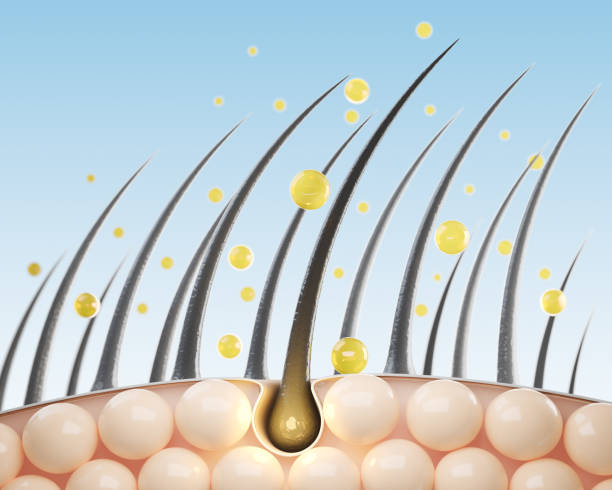
Hair thinning often begins at the follicle level. Factors like inflammation, reduced blood flow, hormonal shifts, and aging affect the follicle’s ability to produce strong strands.
If the follicle weakens, hair becomes thinner over time. Eventually, growth stops altogether.
Regenerative medicine addresses this root cause. Instead of coating the scalp or relocating hair, it aims to stimulate dormant follicles and improve the scalp environment itself.
The Science Behind Exosome Therapy
Regenerative hair treatments rely on cellular communication. That’s where exosomes come in.
What Are Exosomes?
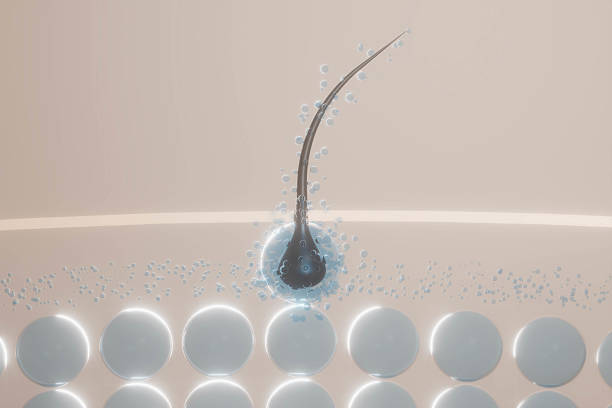
Exosomes are tiny extracellular vesicles that act like messengers between cells. They carry growth factors, proteins, and genetic material that help repair damaged tissue.
In hair restoration, these signals encourage follicles to shift back into the growth phase.
According to research published in peer-reviewed regenerative medicine journals, growth-factor signaling plays a critical role in follicle activation. Exosomes amplify this natural repair process.
How the Treatment Works in Practice
The process typically involves:
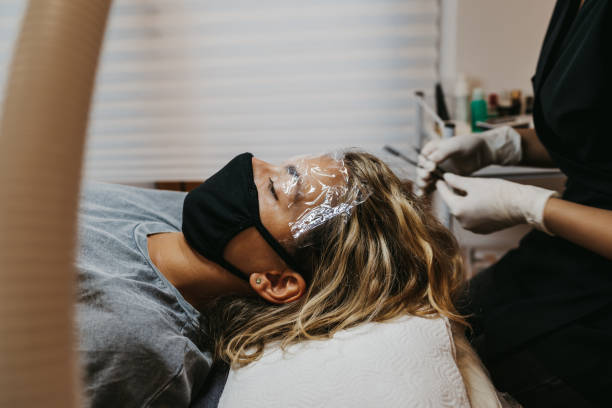
Microneedling or targeted injections into the scalp
Delivery of concentrated regenerative factors
Minimal downtime (often 24–48 hours)
Most patients describe the session as manageable and quick, often under an hour.
For example, a 38-year-old patient experiencing early thinning along the hairline noticed reduced shedding within eight weeks. By month four, density visibly improved. While individual results vary, this timeline aligns with the natural hair growth cycle.
Who Is a Good Candidate for Regenerative Hair Therapy?
Not every solution fits every person. That’s why proper evaluation matters.
Early to Moderate Thinning
Patients in the early stages of hair loss often see the most noticeable improvement. When follicles are still alive but weakened, stimulation can reactivate growth.
Men and Women Experiencing:
Pattern hair loss
Postpartum shedding
Stress-related thinning
Age-related density reduction
If the scalp still has miniaturized hairs, regenerative therapy may help strengthen them.
When It May Not Be Enough
In cases of complete follicle loss or advanced baldness, combination approaches may be necessary. Ethical providers discuss realistic expectations upfront. Transparency builds trust.
What Results Can You Realistically Expect?
Let’s set clear expectations.
Hair growth takes time. Follicles cycle through phases lasting several months. Visible improvement typically appears between 8 to 16 weeks.
Short-Term Changes
Reduced shedding
Improved scalp health
Stronger-feeling strands
Long-Term Benefits
Increased hair density
Thicker shaft diameter
More balanced growth cycles
In clinical observations, many patients see optimal results around six months. Maintenance sessions may enhance longevity.
Think of it like restoring soil before planting seeds. Once the environment improves, growth becomes more sustainable.
Why Regenerative Medicine Is Gaining Momentum
The demand for non-surgical cosmetic procedures continues to rise. According to industry data from the American Society of Plastic Surgeons, minimally invasive treatments have increased steadily over the past decade.
Why?
People want:
Natural-looking outcomes
Minimal downtime
Lower risk compared to surgery
Treatments aligned with the body’s biology
Regenerative therapies fit that shift. Instead of forcing change, they encourage the body to repair itself.
This evolution in aesthetic medicine reflects a broader trend toward cellular health and longevity science.
What Sets a Regenerative Approach Apart?
Not all clinics operate the same way.
Comprehensive Evaluation
A thorough consultation includes scalp analysis, medical history review, and discussion of contributing factors like stress or nutrition.
Customized Treatment Plans
Hair loss varies by individual. A tailored plan may combine:
Exosome therapy
PRP (platelet-rich plasma)
Lifestyle guidance
Nutritional recommendations
Personalization improves outcomes and patient satisfaction.
Ongoing Monitoring
Follow-up visits track progress and adjust treatment timing. Measured improvement builds confidence and credibility.
Frequently Asked Questions
Is the treatment painful?
Most patients report mild discomfort. Numbing techniques minimize sensitivity.
How long does a session take?
Typically 45–60 minutes, depending on the treatment area.
Are results permanent?
Results can last months to years, especially with maintenance sessions and healthy lifestyle habits.
Is there downtime?
Mild redness or sensitivity may occur for 1–2 days. Most patients resume normal activity quickly.
Key Takeaways and Next Steps
Hair loss doesn’t have to mean surgery or endless topical products. Regenerative science offers a promising alternative.
Here’s what to remember:
Hair thinning often starts at the follicle level
Exosomes support natural cellular repair
Results develop gradually over several months
Early treatment improves success rates
Personalized care makes a measurable difference
If you’re exploring advanced options, Hair Restoration Reimagined at California Aesthetics reflects a shift toward science-driven renewal and long-term transformation.
The future of hair restoration is not about covering up loss. It’s about restoring potential at the cellular level. The real question is: are you ready to approach hair growth differently?

Comments